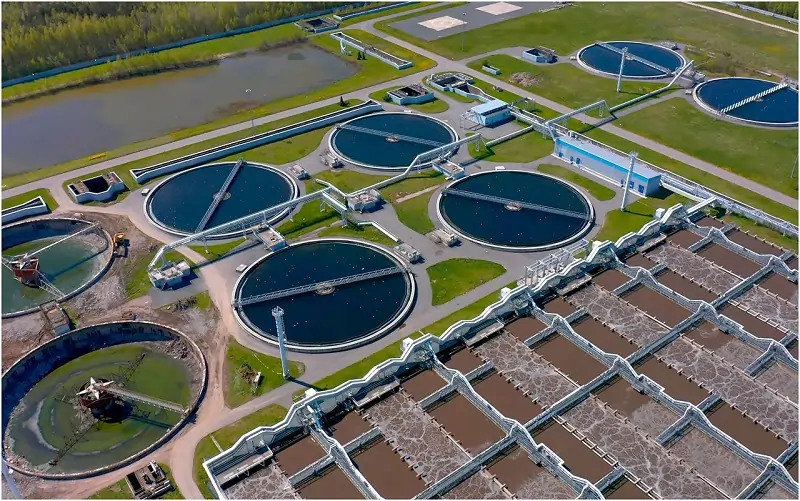
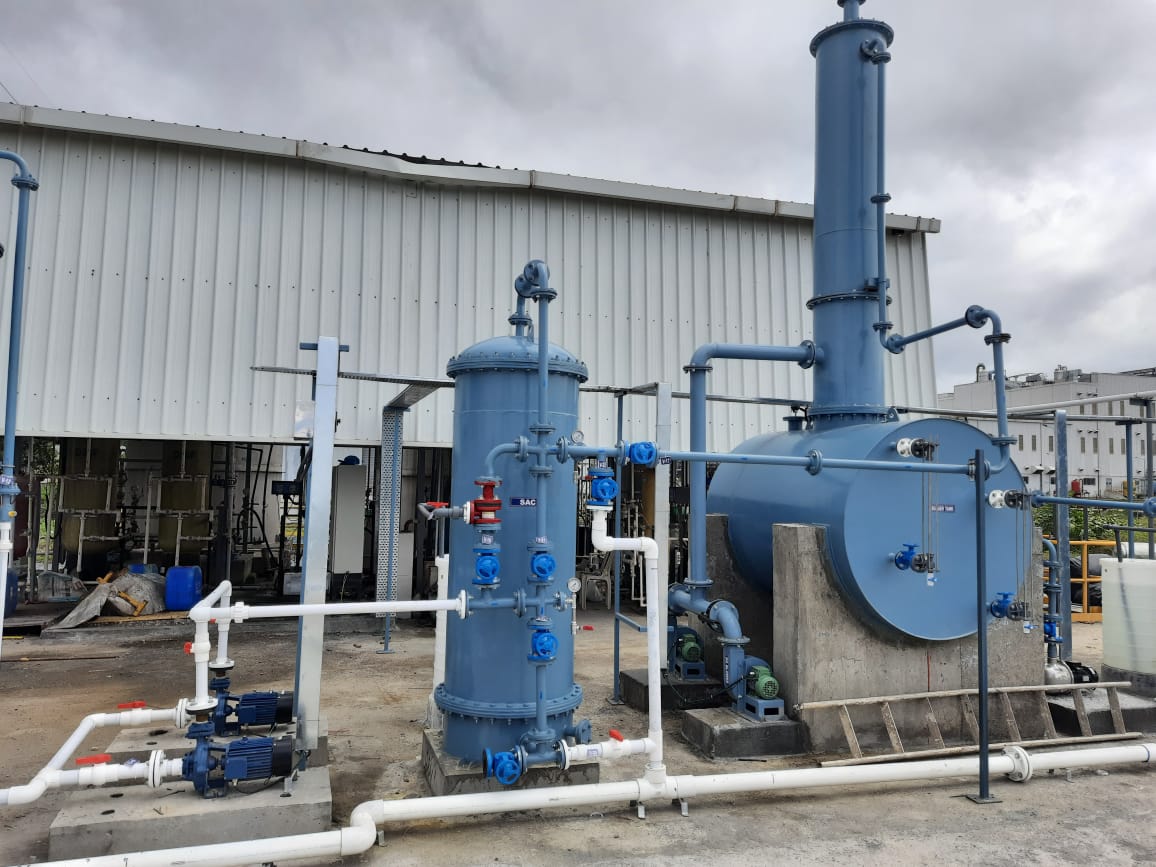
Econexis Engineering LLP designs and manufactures high-performance Effluent Treatment Plants (ETP) to treat industrial wastewater generated from various manufacturing processes. The plant removes toxic contaminants such as heavy metals, oils, grease, suspended solids, and organic matter, ensuring treated water meets environmental discharge norms. Our ETP systems are engineered to promote water recovery and recycling, minimizing environmental impact.

Some of the many pollutants that can be treated by it include organic and inorganic matter, oil, grease, heavy metals, suspended particles, and much more. By using it, fresh water is not unnecessarily used for production purposes or commercial activities. It is an effective way to prevent water pollution.
Features:
Water that comes into the Econexis Engineering effluent treatment plant can be from sources like reservoirs, lakes, rivers, and outlet pipes, in addition to industries and factories. By cleaning up the effluent water, it puts it back into circulation where it can be utilized for a different purpose. Examples of some industries that make use of it include those that manufacture medicine, leather, textiles, and chemicals. In such industries, the use of this plant helps them to follow government regulations on pollution emission and also prevents them from spending unnecessary money on acquiring water for various activities.
ETP (Effluent Treatment Plant) is necessary to clean the industrial wastewater, Major industries
The purpose of the Effluent Treatment Plant (ETP) is to make water reuse, which removes the dissolved impurities in it. We are acknowledged as the main manufacturer of ETP in India. We are the best manufacturer and supplier of ETP and sewage treatment plant in India.


The process of Effluent Treatment Plants varies depending on their design
Equalization – Raw wastewater is balanced in an equalization tank and collected in a mixed effluent tank before being transferred to an aeration tank This tank also functions as the equalization tank homogenizing the effluent before it is pumped to the neutralization tank for further treatment
pH Control – According to the Bureau of Indian Standards (BIS), the pH of effluent should be maintained between 5.5 and 9.0 pH neutralization is an effective method to adjust the wastewater pH to this range
Coagulation – This step involves adding liquid aluminum sulfate to untreated water which causes fine dirt particles to clump together into larger heavier particles that can be removed through settling and filtration
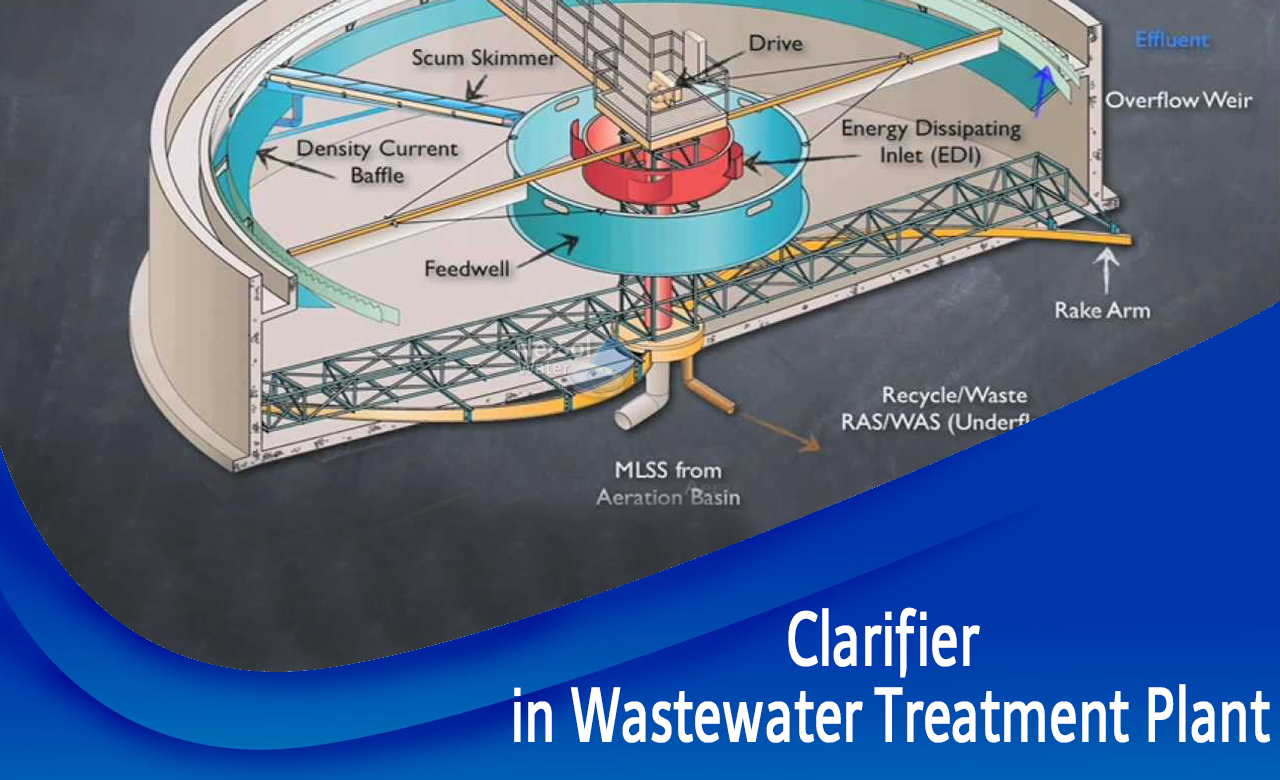
Sedimentation – In this process, water flows slowly, allowing heavier particles to settle at the bottom The accumulated sediment at the bottom is called sludge
Filtration – Water is passed through filters composed of sand and gravel layers to remove remaining particulates These filters require regular cleaning through a process called backwashing

Social Link:
Client and sponsor


WhatsApp us